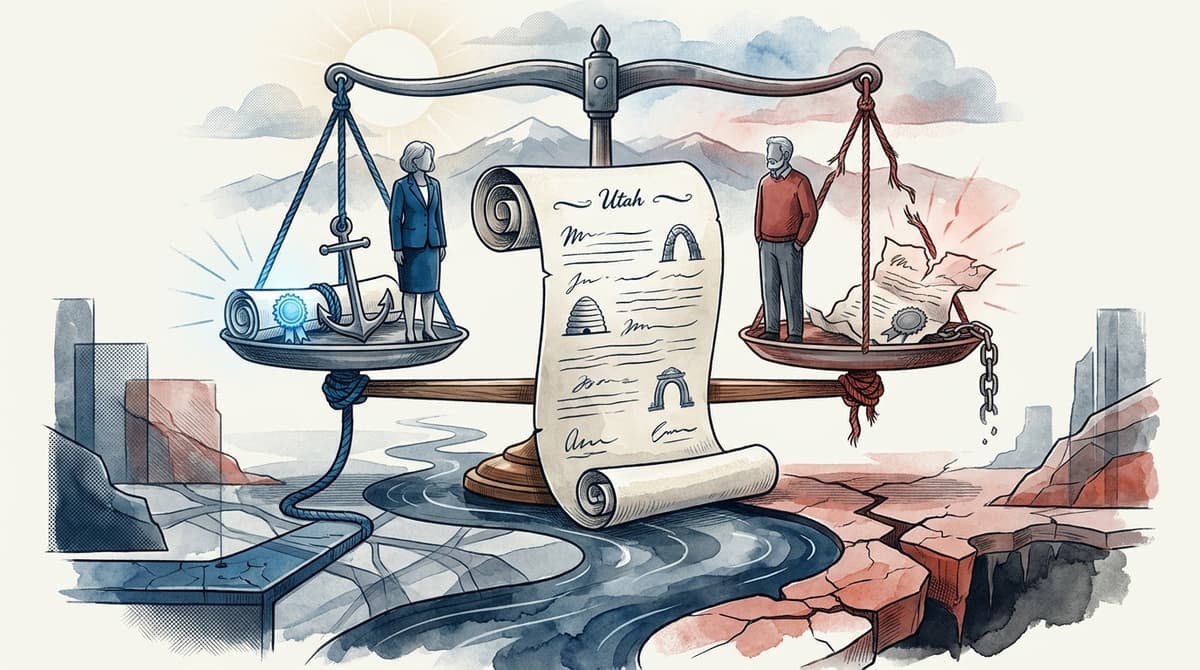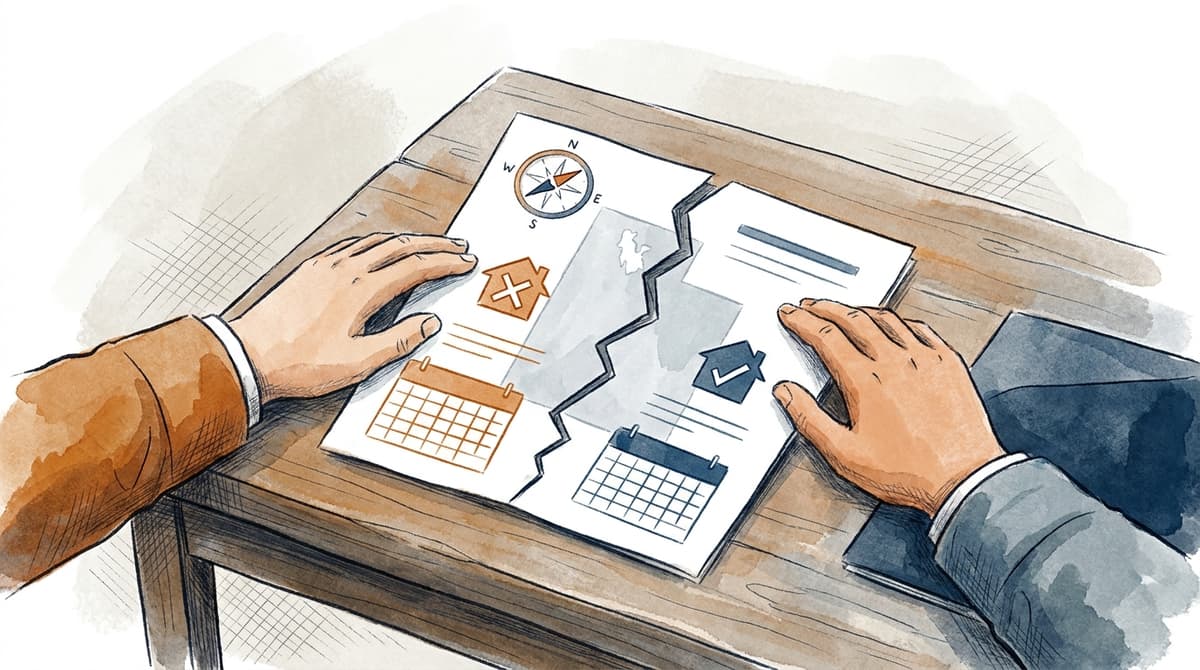










Some couples reach the end of a marriage knowing exactly what they want. Others spend months disagreeing over children, property, and what the future looks like. Either way, before a Utah divorce is finalized, there is a very good chance you will encounter mediation. Whether that feels like a relief or a source of anxiety usually comes down to knowing what to expect.
Here is what Salt Lake City families need to know about mediation in Utah divorce cases: when it is required, how the process actually works, and when opting out might be the right call.
What Utah Law Says About Mediation
Utah courts treat mediation as a standard part of contested divorce proceedings, not an optional add-on. Under Rule 101 of the Utah Rules of Civil Procedure, district courts have broad authority to refer cases to alternative dispute resolution, including mediation. In the Third Judicial District, which covers Salt Lake County, local practice makes mediation a predictable step whenever spouses disagree on custody, parent-time, property division, or support.
If your case involves disputed issues, the court will typically order mediation before scheduling a trial. The goal is to give both parties a real opportunity to resolve things on their own terms before a judge steps in. That order is not a suggestion. For the average contested divorce in Salt Lake City, mediation is part of the process whether both spouses want it or not.
There are exceptions. Under Utah Code Ann. § 30-3-16.5, the court may waive the mediation requirement when it would be inappropriate given the circumstances. A documented history of domestic violence, a protective order in place, or other safety concerns can support a waiver request. But absent those factors, plan for mediation to be on the calendar.
How the Mediation Process Works in Practice
"A mediator isn't a judge. They can't order you to do anything, and they don't decide who's right."
Their role is to help both parties reach an agreement through structured conversation, with a neutral third party guiding the process. In Utah, mediators are typically attorneys or licensed mental health professionals who have completed approved training. Sessions usually last a few hours, though complex cases sometimes require more than one meeting.
Depending on the circumstances and what both parties are comfortable with, you and your spouse may sit in the same room or speak with the mediator separately while they move between you. Either format is common. You have the right to have your attorney present, and in most cases that is a sound choice. Your attorney can evaluate proposed terms in real time, flag language that might cause problems later, and make sure you understand what you are agreeing to before you sign anything.
If you reach agreement on all outstanding issues, the mediator helps document those terms in a written settlement. That document is submitted to the court, a judge reviews it, and if everything is in order, the divorce is resolved without a trial. If mediation produces only partial agreement, the remaining disputed issues proceed toward a hearing or trial.
What You Can Resolve at the Mediation Table
Mediation in a Utah divorce can address nearly every open issue in the case. Common topics include:
- Legal custody and physical custody arrangements
- Parent-time schedules, including holidays, school breaks, and summer
- Child support, calculated under Utah Code Ann. § 78B-12-210
- Division of marital property and shared debt
- Alimony, including amount, duration, and modification triggers
Reaching agreement in mediation gives you and your spouse control over the outcome in a way that a trial simply does not. As one practical way of putting it: "A judge deciding your custody schedule has spent maybe a few hours learning about your family. You and your spouse have a lifetime of context." Mediation keeps more of that decision-making where it arguably belongs.
Does Mediation Actually Work? An Honest Assessment
It depends on the people and the case. Mediation works well when both parties are willing to compromise and maintain at least a basic level of communication. It is less effective when one spouse is using the process to delay, or when the dynamic between the parties makes genuine negotiation difficult from the outset.
That said, Utah's court system has practical reasons to require it. Trials are expensive, slow, and unpredictable. Many Salt Lake City families are surprised by how much they resolve in mediation, even after months of conflict. A skilled mediator can help both people move past the positions they have locked into and refocus on what they actually need going forward. The process is not perfect, but it produces real agreements far more often than people expect when they walk in skeptical.
When Mediation Is the Wrong Choice for Your Case
There are situations where mediation will not produce a fair result, and proceeding anyway can do real harm. If your spouse has hidden or transferred assets, if there is a significant gap in financial knowledge between the two of you, or if coercive control or abuse has been part of the relationship, the mediation setting may not be safe or appropriate. A process built on voluntary negotiation can be undermined when one party holds substantially more leverage or information than the other.
Utah courts recognize that mediation is not one-size-fits-all. If you have concerns about whether the process is right for your situation, talking with a family law attorney before anything is scheduled is the most practical first step. You can learn more about how JR Law Group approaches protective orders in cases where safety is a factor.
Finding a Mediator in Salt Lake City
The Third Judicial District maintains a roster of approved mediators. In some cases the court assigns one directly; in others, the parties select someone mutually from the approved list. Costs are typically split between spouses, though the structure can vary. Sessions are most often held in a mediator's office, and some providers now offer virtual options as well.
Not every mediator handles every type of dispute the same way. Someone with a background in financial matters may be a better fit for a case centered on business valuation or complex assets. A mediator with a mental health background may be more effective in high-conflict parenting disputes. Your attorney can help you identify someone whose experience fits the specific issues in your case. That match matters more than most people realize before their first session. You can read more about how JR Law Group approaches divorce mediation and what preparation looks like from the firm's perspective.
How to Prepare Before Your First Mediation Session
"Going in without preparation is one of the more common mistakes people make." Walking into mediation without a clear picture of your finances, your priorities, and what Utah law actually says about the issues on the table puts you at a real disadvantage. Preparation is what turns mediation from a stressful guessing game into a productive conversation where you can make informed decisions in real time.
Practical preparation includes gathering financial documents, understanding how child support is calculated under Utah's statutory formula, and thinking through which issues matter most to you and where you have more flexibility. Your attorney can walk you through each item in your case before the session begins, so you walk in knowing your range and your reasoning, not just your position.
If you have questions about whether mediation is required in your specific case, or you want to understand your options before your first session is scheduled, a conversation with JR Law Group is a straightforward place to start. Your first call is not a commitment. It is a chance to get clear on where you stand before any process begins.